
Complementary techniques Assisted reproduction
Preimplantation Genetic Testing (PGT) is the technique that was formerly known as Preimplantation Genetic Diagnosis (PGD). It involves the biopsy or extraction of one or several cells from embryos obtained after In Vitro Fertilisation to analyse their genetic or chromosomal content. In this way, only those embryos with no anomalies and a higher chance of implanting are transferred to the maternal uterus. It also allows for the transfer of healthy embryos in couples with certain hereditary diseases.
Preimplantation Genetic Testing is especially recommended for three groups of patients:
By analysing the 23 pairs of chromosomes of the embryo instead of 9, it is possible to detect more anomalies and improve the chances of pregnancy.
Three basic types of PGT can be performed:
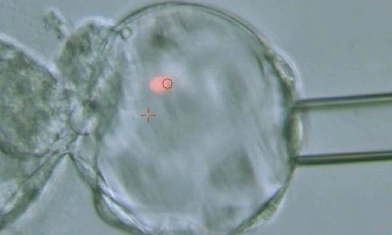
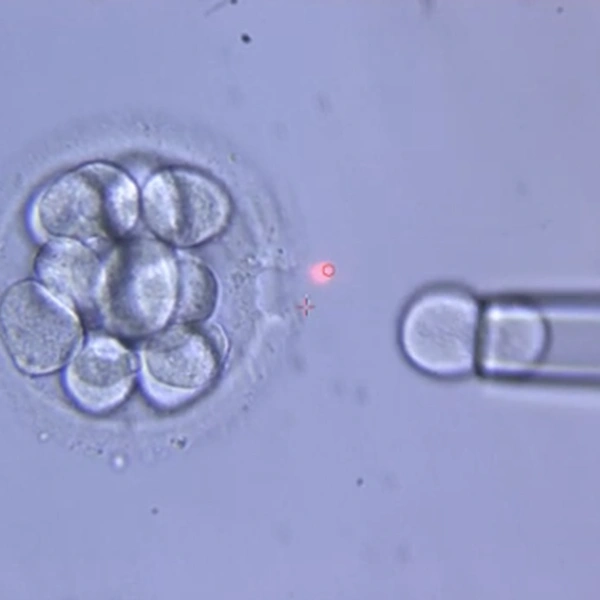
The biopsy can be carried out during the third day of embryo development or between the fifth and sixth day when it has reached the blastocyst stage. It consists of extracting a cell from the embryo without compromising its normal development. Once the biopsy has been performed, the embryo is returned to the laboratory incubator, where it will be kept in In Vitro culture under appropriate environmental conditions to continue developing until the moment of transfer to the patient’s uterus.
The cell obtained from the biopsy is processed for analysis and subjected to a genetic study.
The result of the genetic analysis is transmitted to the Assisted Reproduction team in a detailed report and a decision is made as to which embryos are going to be transferred based on the chromosomal endowment and the morphological characteristics of embryonic viability. If the biopsy is carried out on the third day of development, the embryo transfer to the maternal uterus can be performed immediately after the analysis, which is generally 5 days after the recovery of the eggs. In cases where the biopsy is carried out between the fifth and sixth day of development, it will be necessary to freeze the embryos and schedule the transfer for later.
At the time the biopsy is performed, each cell of the embryo contains all the genetic information and the extraction of one cell does not affect the correct development of the rest of the embryo’s cells.
This technique requires great precision and, when performed by experts, does not alter the evolution of the embryo. The risk of embryonic blockage is 0.67 %.
At Institut Marquès, PGT is performed in all our centers using the Next Generation Sequencing (NGS) technique, analyzing all the chromosomes of the embryo. This is the most innovative method currently applied in the genetic diagnosis of embryos. When the PGT is performed in the blastocyst stage, freezing of the embryo is inevitable while waiting for the results of the test, which usually takes 15 days. If the PGT is carried out on the third day of evolution, the diagnosis is ready when the embryo reaches a blastocyst and freezing is not necessary. Institut Marquès has shown that the results of Preimplantation Genetic Diagnosis are equally effective regardless of the day on which the biopsy is performed.
The genetic study of embryos will be key in the future of Assisted Reproduction. New techniques are still in the development phase, such as the Non-Invasive Preimplantation Genetic Test, a procedure that has not yet achieved reliable results.
The cost of PGT is in addition to IVF treatment and varies depending on the clinic and the type of test performed (PGT-A, PGT-M, PGT-SR). Generally, the cost can range from €2,000 to €5,000, depending on the number of embryos analyzed and the complexity of the genetic analysis.
PGT results are usually available 7 to 14 days after the biopsy. This allows specialists to determine which embryos are genetically normal and can be transferred to the uterus in a subsequent IVF cycle.
The number of embryos to be analyzed depends on the number of embryos available and the couple's preference. It is common to analyze all available embryos to select those that are genetically normal.
If all the embryos tested show genetic abnormalities, the doctor and the couple should discuss the available options, which may include undergoing another IVF cycle, considering egg or sperm donation, or exploring other reproductive alternatives.
PGT increases the chances of success in an IVF cycle by allowing the transfer of genetically normal embryos. While it does not guarantee pregnancy, it improves implantation rates and reduces the risk of miscarriage. Specific probabilities depend on embryo quality and other individual factors.
PGT is not necessary in all IVF cycles, but it may be recommended for couples at high risk of genetic abnormalities, with a history of recurrent miscarriages, or repeated IVF failures. The decision to perform PGT should be made in consultation with a fertility specialist.
If the PGT results are inconclusive, you can choose to repeat the genetic testing in another cycle, transfer the embryo with caution, or explore other reproductive options. It is important to discuss all options with your doctor before making a decision.
One of our team members will be in touch shortly through your preferred method of communication.
Fill out the form and we will contact you to arrange a visit with a specialist in Assisted Reproduction.